Why Hoi An is called the city of lanterns
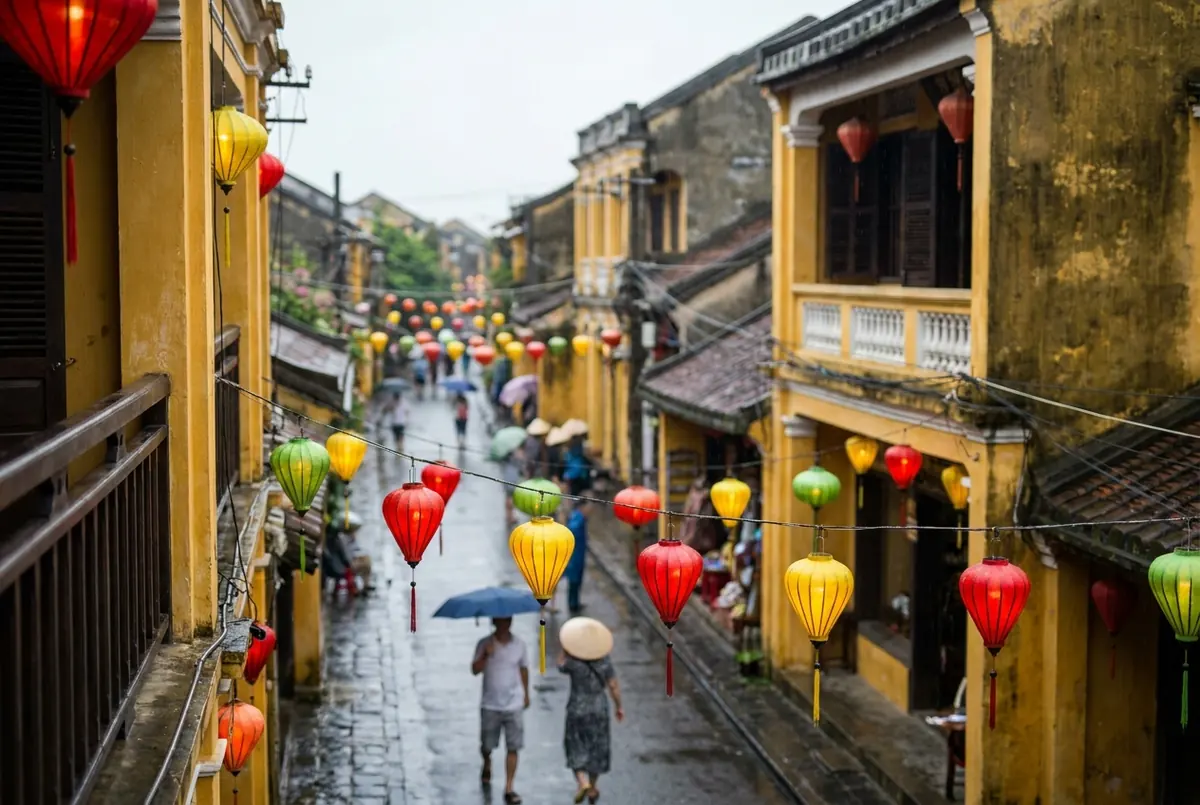
Hoi An has earned its reputation as the "city of lanterns" not because of one beautiful neighborhood, but because of its strong tradition of evening light. In the historic center, locals and homeowners hang colored silk lanterns that are lit after sunset. As a result, the narrow streets, facades of yellow houses and the embankment of the Thu Bon River look very solid and intimate.
For a tourist, not only the picture is important, but also the rhythm of the city. During the day, Hoi An is calmer: you can admire the architecture, go into workshops and cafes, and choose souvenirs. In the evening, the center becomes denser in terms of the flow of people, but it is then that the same soft light appears for which people come here from Da Nang, Hue and the beaches of An Bang.
- —historical center with low buildings and pedestrian streets
- —silk lanterns of different shapes: round, cylindrical, multi-tiered
- —illumination on the banks of the Thu Bon River and in the quarters of the old city
- —evening atmosphere, which is best felt after 17:30
What to see in Hoi An in 1 day
If you have one day in Hoi An, don't try to cover everything. It is enough to put together a compact route from the old town, a couple of museums or house museums, the embankment and dinner. So you will see not only a postcard, but also the real structure of the city: trading houses, Chinese assembly halls, small temples and courtyards.
It’s convenient to start from the historical center, which is included in the list of UNESCO sites. Yellow houses with wooden shutters, narrow passages and artisan shops stand out here. Then it is logical to go to the Thu Bon River, where in the evening they launch lanterns onto the water, and finish the route with dinner on one of the terraces by the water.
- —The Japanese Covered Bridge is Hoi An's most recognizable symbol.
- —old merchant houses with wooden interiors and family altars
- —Chinese meeting halls with carvings, pottery and courtyards
- —embankment of the Thu Bon River for evening walks and photography of lanterns
Japanese Bridge, old houses and museums: what to see in the center
The Japanese covered bridge is not just a photo point, but one of the main historical sites of the city. It was built at the end of the 16th century as a link between neighborhoods of different communities. Today the bridge looks compact, but it is what best conveys Hoi An's history as a trading port where Japanese, Chinese and Vietnamese influences intertwined.
In addition to the bridge, in the center it is worth visiting at least one old merchant's house. There you can clearly see how wealthy families lived: a courtyard, wooden beams, carved panels, objects of ancestor worship. If you love architecture and everyday life, this gives much more meaning than just a walk along the main street.
- —Japanese Covered Bridge - compact but a must-see
- —the houses of Tan Ky and Phung Hung are examples of merchant architecture
- —museums of history and ceramics - for understanding the trading past
- —temples and family altars, which are often hidden in courtyards
Lantern Festival according to the lunar calendar: when to go
Hoi An's most famous evening is the lantern festival on the full moon of the lunar calendar. On this day, some of the electric lighting in the old city is usually turned off, and the streets and water become the main scenario for the lights. Lanterns are lowered onto the river, people sing, play traditional instruments, and there are more locals around than at a regular tourist party.
It is important to understand that this is not a “day festival” with an exact fixed date according to the Gregorian calendar. The date changes every month, so if you're traveling for it, check the lunar calendar in advance. This is the best moment for photography, but there will also be noticeably more people in the center than usual.
- —is held on the full moon according to the lunar calendar, not on the same date every month
- —includes lantern launches and cultural performances
- —It's better to arrive 1-2 hours before sunset to get a place by the river
- —during the festival days there is a denser flow of people in the center and higher prices for popular spots
Best photo spots in Hoi An
Hoi An is very photogenic, but getting good shots here depends on the time and location. The most stable result is obtained by evening light 30–40 minutes before sunset, when the walls are already warm in tone, but there are still enough details. After dark, it is better to work with reflections, flashlights and soft lighting.
If you need not random shots, but a planned shooting, focus on places where lanterns, water and yellow walls fall into one frame. There are a lot of tourists in the center, so it is more profitable to look for less obvious angles - side streets, bridges and embankments a little away from the densest point.
- —The embankment of the Thu Bon River is the best option for evening reflections
- —streets of the old town with yellow facades and colored lanterns
- —Japanese bridge - for a recognizable but very popular shot
- —quiet side streets 5-7 minutes from the main tourist street
When to come: best time of day and season
For Hoi An, not only the months are important, but also the hours. The dry season in Central Vietnam lasts from approximately February to August, and the best months to travel are March, April and May: at this time there is usually less rain and it is more comfortable to walk around the old city. At the same time, the heat can already be felt, so it is better to plan daytime walks with breaks at cafes and air-conditioned spaces.
In the evening, Hoi An becomes noticeably more pleasant than during the day. Sunset here averages around 5:45 p.m., and if you want to catch the soft light, head downtown early. After 18:30 the city changes its character: the lights turn on, a reflection appears in the water, and the photos become more “scenic”.
- —March–May are the most comfortable months for walking and filming
- —February–August is the dry season with the least risk of rain
- —The best light for photography is 30–60 minutes before sunset
- —evening after 18:30 is the optimal time for lanterns and the embankment
Where to eat and what to try in Hoi An
Hoi An is good not only for walking, but also for food. Here it is worth trying dishes that are associated specifically with the Quang Nam region: for example, cao lầu - noodles with a dense texture, pork, herbs and crunchy elements. Another local landmark is white rose, small translucent rice dough dumplings. It is better to look for such dishes not in places with flashy menus, but in small family establishments.
The dinner format in Hoi An is often built around a terrace by the water or a quiet courtyard inside an old house. If atmosphere is important to you, choose a place not only by rating, but also by location: a few minutes from the main promenade, prices are usually softer and boarding is quieter. For an evening visit, it is convenient to combine dinner with a walk around the center and launching a flashlight on the river.
- —cao lầu - Hoi An's signature noodles
- —white rose - local rice dumplings
- —banh mi Hoi An - a quick snack option along the way
- —coffee with condensed milk and coconut coffee in local cafes
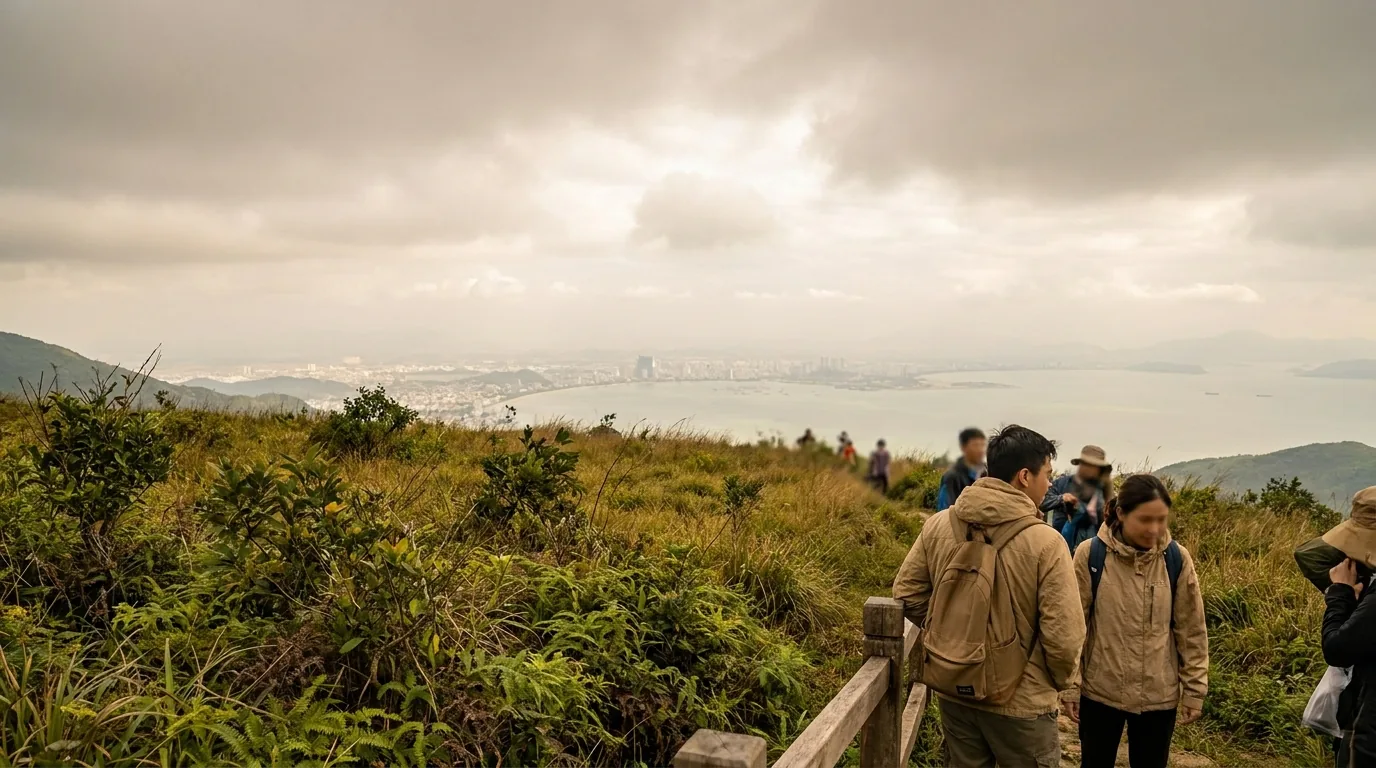
How to get to Hoi An from Da Nang and where is the most convenient place to go?
The easiest way to get from Da Nang to Hoi An is by car with driver, taxi or organized excursion. The distance is short - about 30 km, so the journey usually takes 40-50 minutes depending on traffic. If you are traveling for the sake of sunset and night illumination, it is more convenient to leave in the afternoon in order to reach the old city before dark.
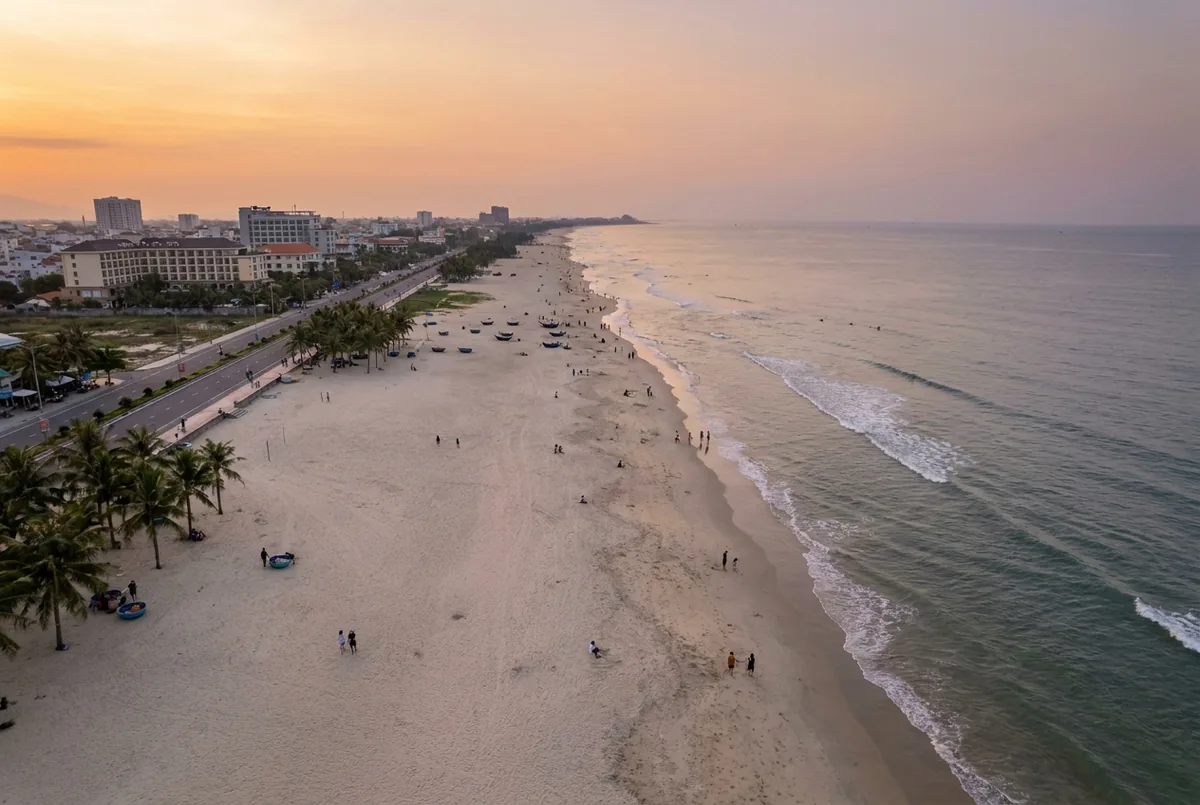
For guests who live near My Khe or Non Nuoc beaches, a trip to Hoi An fits perfectly into a day or evening itinerary. It’s even more convenient to combine Hoi An with the Marble Mountains or An Bang Beach if you want to alternate between a city walk and the sea. You can ride a rented bike, but returning in the evening along an unfamiliar road is not always comfortable.
- —by car with a driver - the most convenient format for the first trip
- —taxi is a good option for a short visit without transfers
- —excursion - convenient if you want to combine Hoi An with the Marble Mountains
- —a bike is an option for confident drivers, especially during the day

Hoi An without haste: how to create the perfect itinerary
If you want to see Hoi An in peace, don't try to cram everything into one tight hour. The optimal scenario looks like this: arrive during the day, walk around the center, take a break for coffee or lunch, return to the river by sunset and stay until the lights come on. This route provides daytime architecture, the evening effect of lanterns, and time for dinner without fuss.
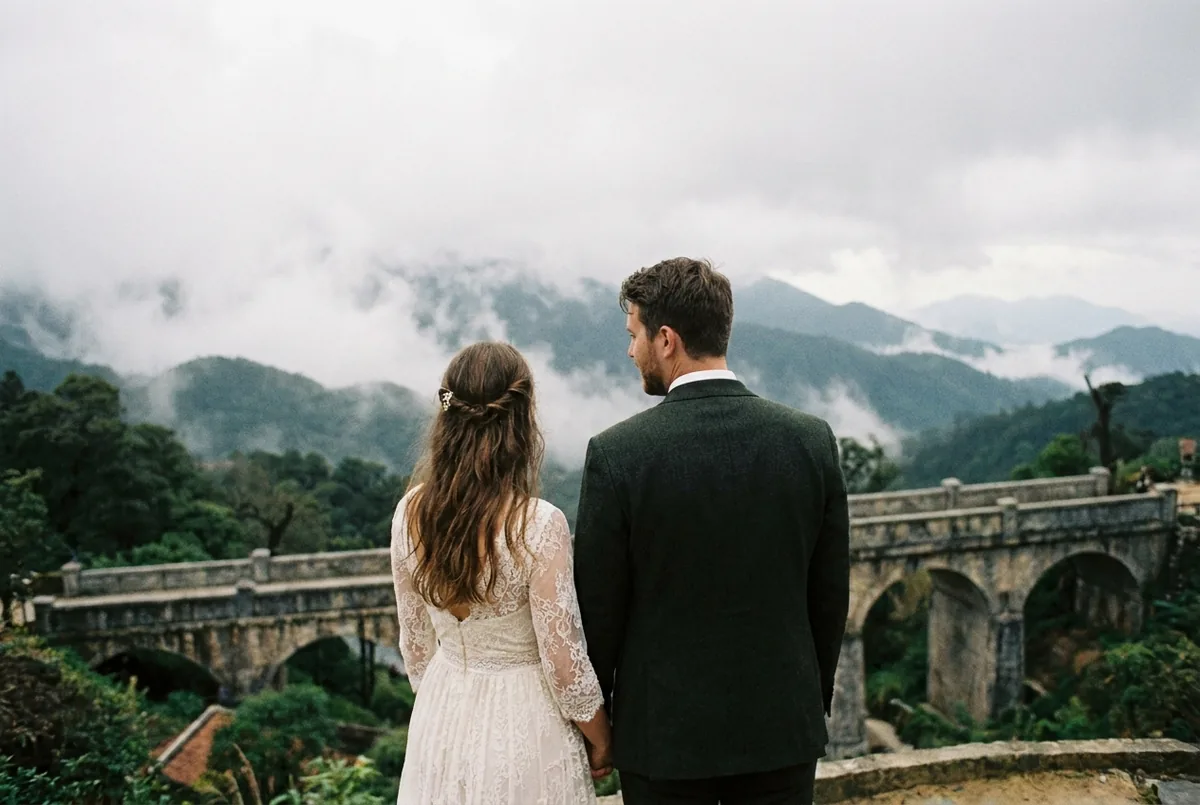
For a couple, family or small event, Hoi An is especially convenient because the compact center allows you to quickly move between points. If you are planning a shoot, dinner, marriage proposal or intimate walk, choose specific streets and times in advance, because the difference between daylight and evening atmosphere is critical here.
- —during the day - the old town, merchant houses, museums
- —1 hour before sunset - embankment and photo against the background of yellow facades
- —after 18:30 - flashlights, dinner and launching the flashlight on the water
- —if you have time, add An Bang or Hoi An Night Market