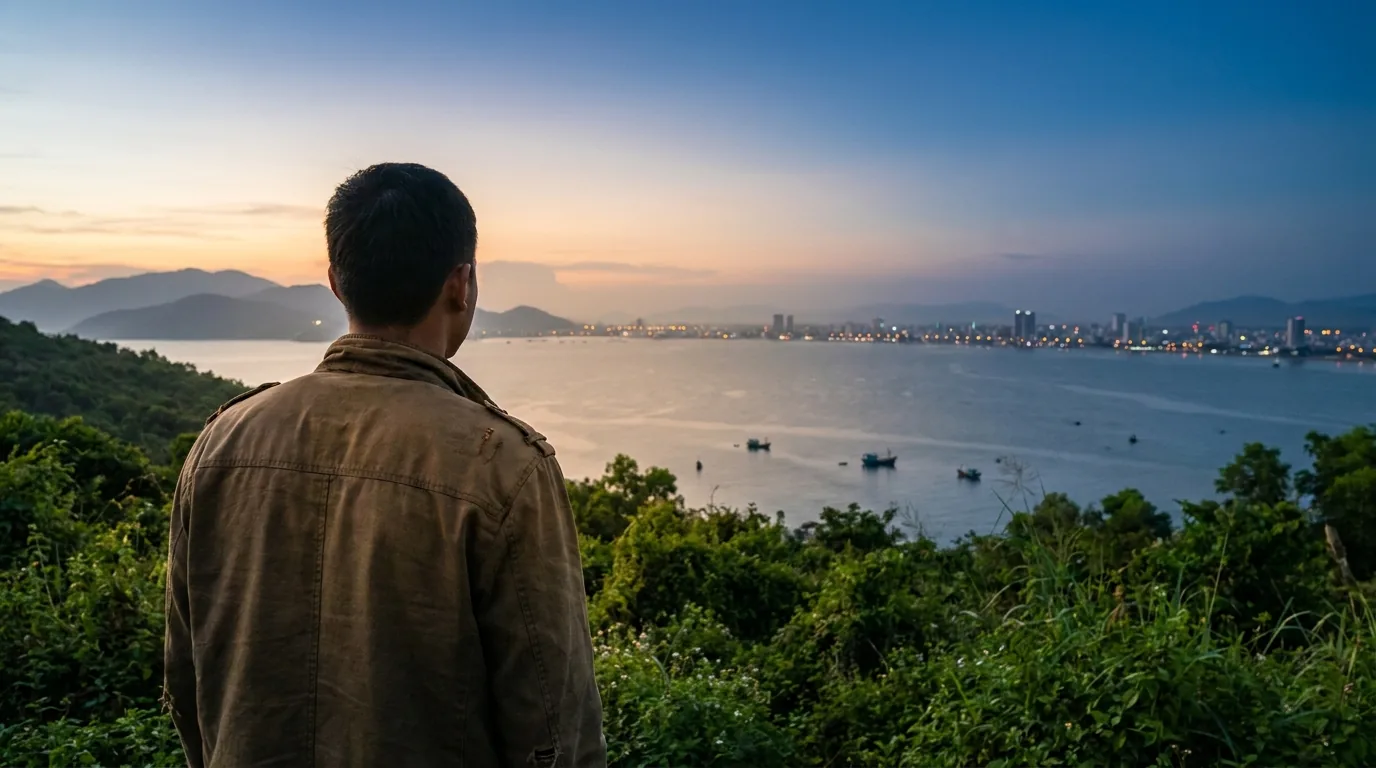
What a strong wedding agency in Vietnam should have
A good wedding agency in Vietnam does not sell a “beautiful wedding”, but a manageable process. The team must have confirmed cases in the region, and not just in Ho Chi Minh City or in pictures from Pinterest. For Da Nang, knowledge of locations, local rules and logistics is important: where to place an arch near the water, how to organize light before sunset, how to quickly transport guests from the city center to the beach or to Hoi An, which is about 30 km and 40 minutes away.
Pay attention to how the agency communicates even before the advance payment. Professionals ask uncomfortable questions: how many guests are there, is a symbolic ceremony or a full-fledged ceremony needed, is there an on-site registration, is drone filming needed, is a banquet or just a cocktail planned. If they immediately promise you “we’ll do everything” without clarification, this is a bad sign: then additional payments for installation, transfers, transport and evening lighting will appear.
A strong team works with the real seasonal conditions of Central Vietnam. The dry season here usually lasts from February to August, with the most comfortable months being March, April and May. If the date falls during the windy or rainy season, the agency is obliged to offer an alternative scenario: moving the ceremony to a garden, terrace, villa or canopy. Otherwise, you are not paying for the organization, but for the hope of good weather.
- —Portfolios with weddings in Da Nang, Hoi An or Hue, not just general photos.
- —A clear estimate before the contract: site, decor, equipment, coordination, logistics, taxes.
- —Backup solutions in case of wind, rain, heat and late start of the ceremony.
10 questions to ask before paying
The most reliable way to understand the level of an agency is to ask the same set of questions and compare the answers. Below is not a theoretical list, but a practical checklist that helps to quickly weed out weak contractors. If the answers are vague, contradictory, or sound like sales pitch, it's best to keep searching.
It is especially important to find out how the agency works with the budget. In Da Nang, wedding prices are usually lower than in Bali, by about 30–40%, but the variation within the market is also large. A strong team explains what is included in the package, where additional payments are possible and what you should not take unless necessary. For example, not all couples need expensive transportation around the city if the ceremony and dinner are held in the same location.
- —How many weddings have you organized in Vietnam in the last 12 months?
- —Which locations in Da Nang, Hoi An and surrounding areas have you actually booked?
- —Who will be your contact person on your wedding day?
- —What is included in the prepayment and what is paid separately?
- —Do you have a list of verified contractors and their replacements?
- —What is your plan for rain, wind or postponement of the ceremony?
- —Who is responsible for the timing to make it in time for sunset?
- —What documents and permits are needed for the selected site?
- —How do you record changes in the estimate?
- —What happens if one of the contractors misses the deadline?
Red flags: how to understand that an agency is letting you down
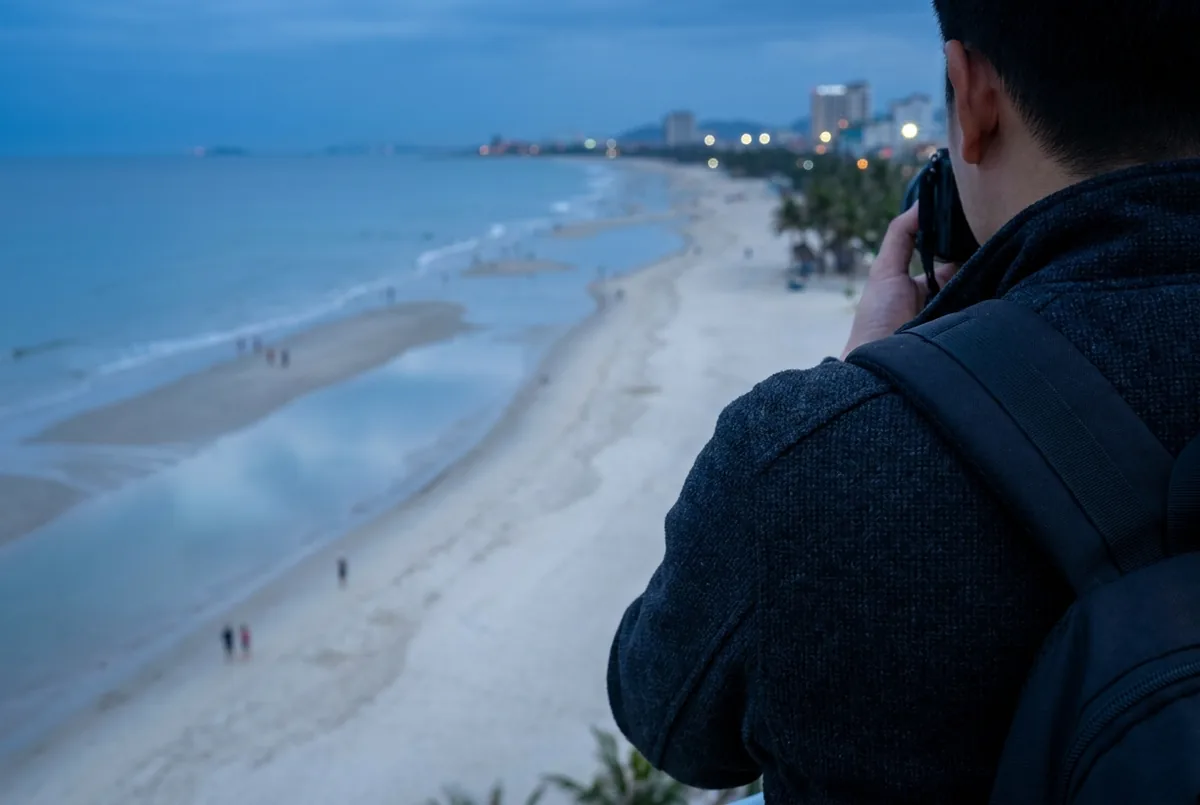
The first red flag is the promise of a fixed perfect wedding without a site inspection, without a briefing and without specifying the season. In Vietnam, this is especially dangerous: a beach area on My Khe can look great in the morning and require a different scenario in the evening due to the wind, and a ceremony by the sea on Non Nuoc can run into logistics with guests and installation.
The second red flag is a vague estimate. If the agency doesn't cover every line, you run the risk of getting "extras" that were actually required from the start. A normal team writes in advance what is included in ceremony design, floristry, furniture rental, lighting, sound, transfer and coordination. If not, the budget will almost certainly increase as preparation progresses.
The third red flag is the lack of local experience and contractors. The agency may be strong in another country, but in Vietnam you don’t know how the beach areas work, when it’s best to go to old Hoi An, how a location near the Thu Bon River is booked, or what restrictions there are on the territory of the Marble Mountains and the Son Tra Peninsula. For a wedding abroad, this is critical: a local mistake costs more than a beautiful presentation.
- —The exact composition of the team and the responsible coordinator are not named.
- —They avoid answering about the contract, fines and terms for returning the advance payment.
- —They cannot show live cases, reviews and original estimates.
- —They impose urgent payment without time to check documents.
- —They get confused about geography: Hoi An, Ba Na Hills, Hue and the beaches are “all nearby.”
Contract, prepayment and returns: what should be specified
The contract is not a formality, but the only document that protects your budget, deadlines and expectations. It must contain the date, location, list of services, total cost, payment currency, the procedure for making an advance payment and return conditions. If the agency works by verbal agreement or sends only an invoice without an attachment with details, this is a reason to stop.
Particular attention is paid to advance payment. The normal practice for wedding projects in Vietnam is partial booking, after which the agency begins to reserve the venue and contractors. But the amount, terms and non-refundable part must be transparent. Before paying, please clarify what will happen if you change the date, cancel your trip due to visa issues, illness or weather risks. For citizens of the Russian Federation, visa-free entry is possible for up to 45 days, but the agency must still understand what happens to the documents if plans change at the last moment.
It is useful to see in the contract not only the total amount, but also the mechanism for amendments. For example, if you change your venue from the beach to a terrace near the Marble Mountains, or move your dining experience closer to the center of Da Nang, how do decor, transportation, and rent translate? The more specific the rules are, the fewer conflicts there will be in the end.
- —Subject of the agreement: date, place, wedding format, list of services.
- —Financial block: advance payment, payment schedule, currency, fines and refunds.
- —Responsibility of the parties: failure of the contractor, replacement of the site, force majeure.
- —Application with estimates and technical specifications.
- —The procedure for making changes and confirming agreed upon changes.
How to compare agencies
Comparing agencies based on one beautiful album is pointless. You need an understandable system where you compare not emotions, but parameters: experience, budget, transparency, local connections and quality of communication. For a wedding in Vietnam, this is especially important, because between “we will organize” and “we will actually hold” there are differences in logistics, weather, timing and knowledge of the venues.
The most convenient way is to make a short table and rate each agency on a five-point scale. This way you can see who offers real value and who is just nicely packaged. If one agency costs less, but has a weak estimate, no contract and no spare sites, the savings are almost always imaginary.
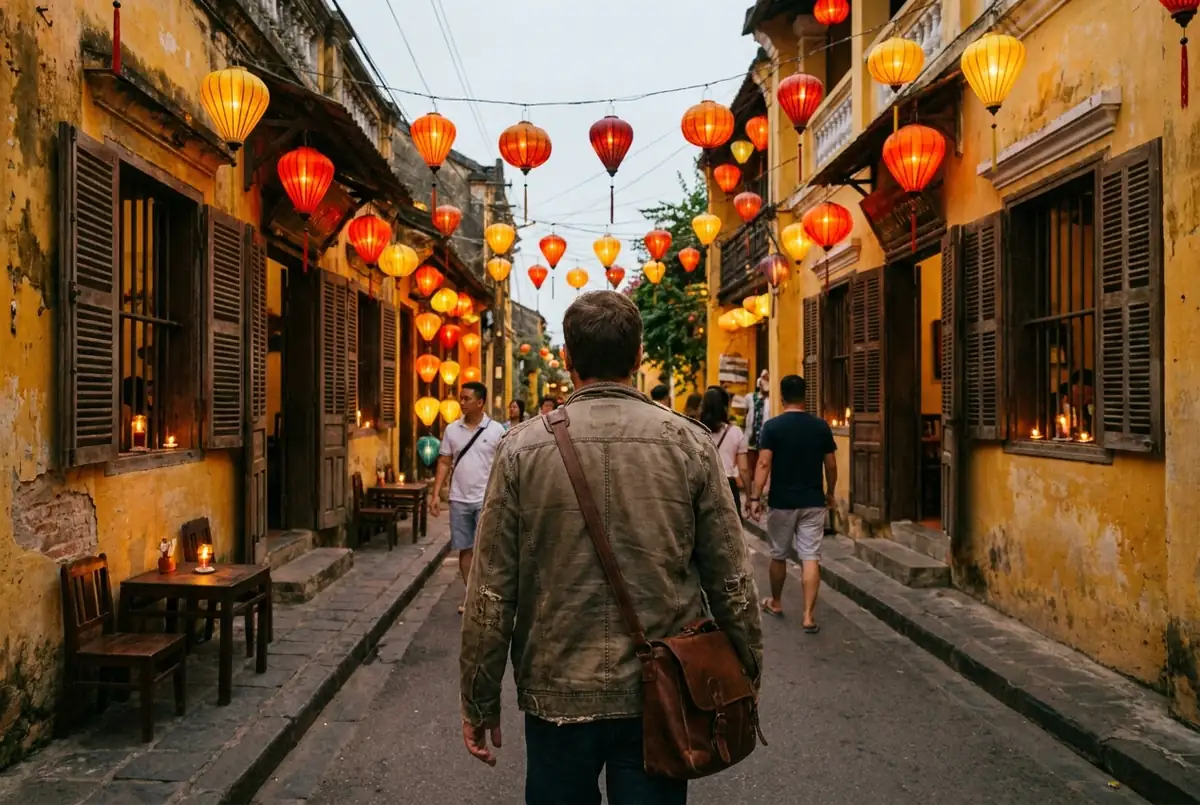
Don't forget about local specifics. For example, if you want a sunset mural on My Khe Beach, the agency must be able to fit the entire scenario into a limited window of light. If you want to walk around Old Hoi An after the ceremony, you need to consider the road, traffic and time in advance in the photo at Thu Bon River. If a trip to Hue or Hai Van Pass is important to you, check whether the team can work with long logistics and an early start.
- —Appreciate the real experience in Central Vietnam.
- —Compare the range of services, not just the final price.
- —Check which contractor is assigned to the project.
- —See how the agency handles force majeure.
- —Compare the speed and accuracy of answers to your questions.
Contractor quick assessment table
Below is a simple diagram that helps you quickly see the difference between a weak and a strong contractor. Use it after the first call and before making an advance payment.
What else influences the choice: season, location and logistics of guests
Even a strong agency will not be able to remove the physics of the place. In Da Nang, sunset comes early, around 17:45, so the ceremony by the sea or on the terrace should be staged without delay. If guests come from different countries, it is important to take into account flights, transfers and acclimatization. For a couple from the Russian Federation, a plus is visa-free up to 45 days, but for guests from other countries the rules will be different, and the agency must discuss this in advance.
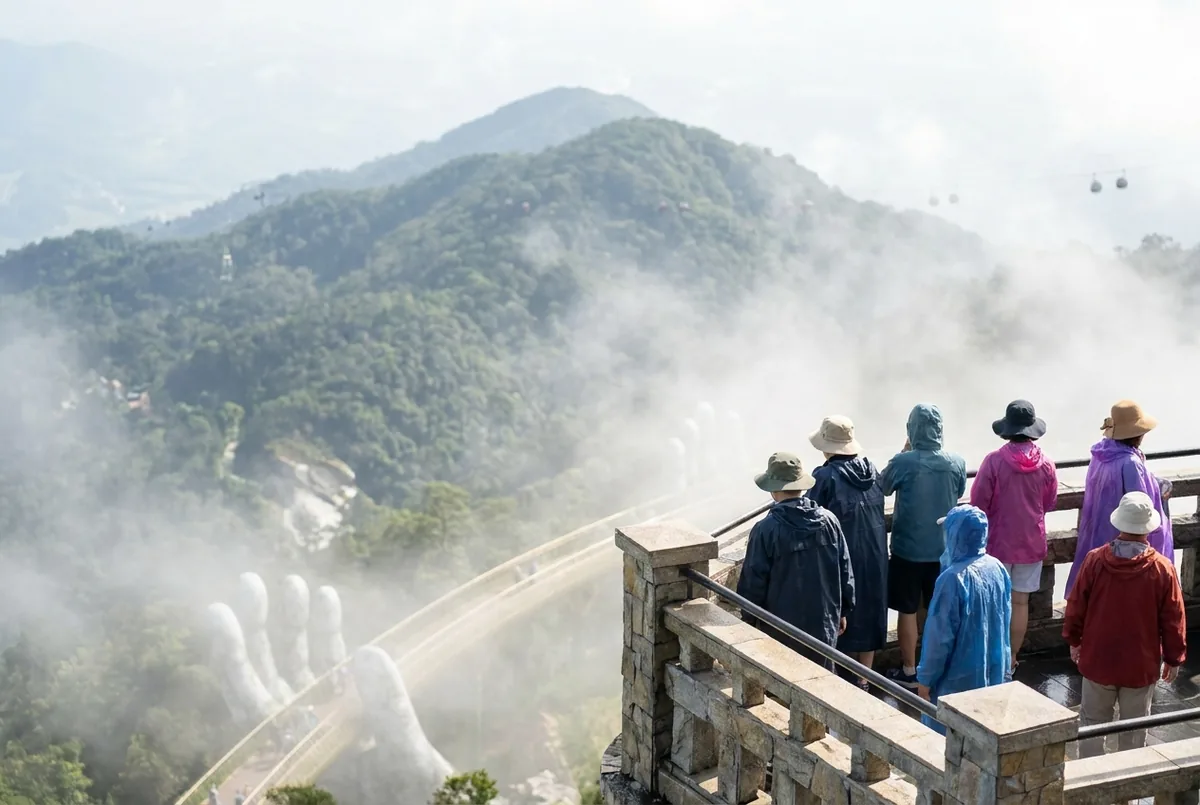
Location determines almost everything. My Khe and Non Nuoc beaches are suitable for outdoor ceremonies and intimate dinners by the water, but require precise control of wind and sound. Old Hoi An gives the atmosphere of lanterns, narrow streets and evenings by the river, but privacy and technology are more difficult there. Ba Na Hills and the Golden Bridge are suitable for spectacular filming and part of the program, but this is already a story about an early departure and the weather at altitude. Hue, the Son Tra Peninsula and Hai Van Pass add dramatic geography but complicate logistics.
That is why choosing an agency is not only a matter of taste, but also a matter of route. A good team will tell you where to stage the ceremony so as not to pay twice for decor, how to gather guests at the right time and what is better: one day in Da Nang or splitting the program into a ceremony, photo shoot and dinner in different places.
- —Dry season: February–August, the best months are March–May.
- —Sunset in Da Nang is around 17:45, you need plenty of timing.
- —Hoi An is located about 30 km from Da Nang.
- —Wedding prices here are often 30-40% lower than in Bali.
- —The beach, villa, old town and mountains require different preparations.
How to make a decision and not regret it
Make your final choice based on a combination of three things: the agency understands your task, knows how to work with local reality, and does not hide money in the fine print. If you are comfortable at the discussion stage, they do not rush you into payment and answer specifically, this is a good sign. If after the first contact there are still doubts about the contract, estimate or team experience, it is better to continue the search.
For a wedding in Vietnam, the most important thing is not a big name, but the predictability of the result. This is especially noticeable in Da Nang: weather, sunset, season, transfers, beach restrictions and the remoteness of Hoi An or Hue can easily ruin the day if the contractor is working on a whim. Choose those who speak the language of numbers, routes and deadlines - and not just the language of beautiful promises.
- —Ask for cases with a similar budget and format.
- —Check the contract before depositing money.
- —Compare not the price, but the fullness of the agency’s responsibility.
- —Choose a team that knows Da Nang, Hoi An and the coast in practice.
| Criterion | Weak agency | Strong agency |
|---|---|---|
| Experience in the region | General cases without reference to Da Nang | Real weddings in Da Nang, Hoi An, Hue and the coast |
| Estimate | One digit without decoding | Line-item calculation with taxes and surcharges |
| Agreement | Only invoice or verbal promises | Agreement, appendix with estimate and return conditions |
| Plan B | Not discussed | Backup location and scenario for rain or wind |
| Communication | Long answers and vague wording | Quick responses, specific deadlines and a responsible manager |
| Logistics | Reduce everything to one point on the map | Calculate transfers, travel time and timing until sunset |