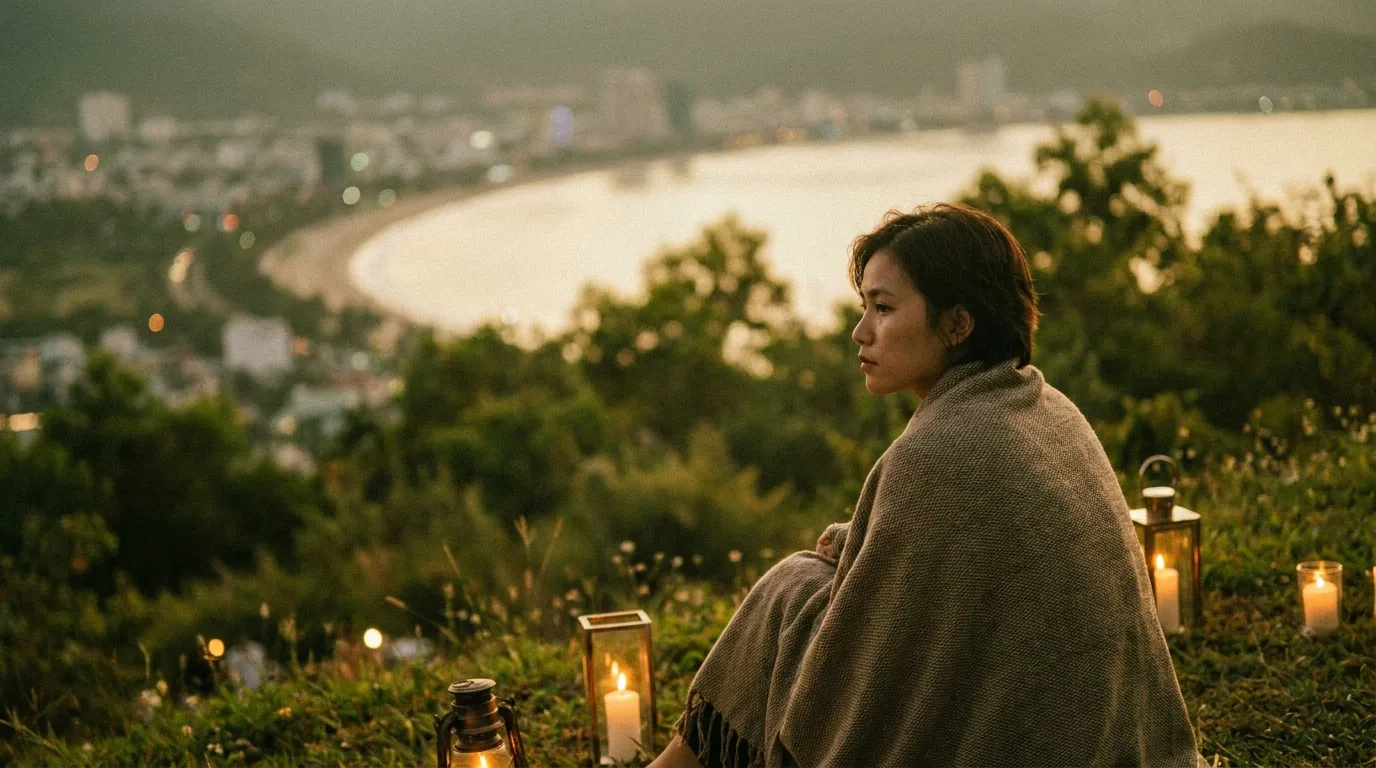
How to choose a beach in Da Nang: what to look at besides the view
Da Nang and its surroundings provide a rare combination for Vietnam: long city beaches, calm bays, beaches near historical Hoi An and locations 40-60 minutes away, where a completely different rhythm is already felt. But the ideal beach does not depend on the name in the top, but on the purpose of the trip. For swimming, the wave and entry into the water are important. For shooting - light, clarity of the horizon and density of people. For a wedding - easy access, shade, the ability to put up decorations and not depend on strong surf. In Da Nang, focus on three practical parameters. The first is the season: from February to August the sea is usually calmer and drier, and the best months for the beaches are March, April and May. The second is the time of day: sunset in Central Vietnam is around 17:45, and for photos this means that it is better to plan your departure in advance. The third is logistics: in the city, many beaches are 10-20 minutes from the center, and Hoi An is about 30 km and about 40 minutes on the road.
- —If you need smooth sand and a long coastline, look at My Khe and Non Nuoc.
- —If you need a more intimate and “staged” shot, An-Bang or Lang-Ko are suitable.
- —If nearby infrastructure is important, choose Da Nang beaches rather than remote bays.
- —If you plan to shoot at sunset, check not only the time, but also the direction of the coast.
My Khe: the main city beach for walks, photos and surf atmosphere
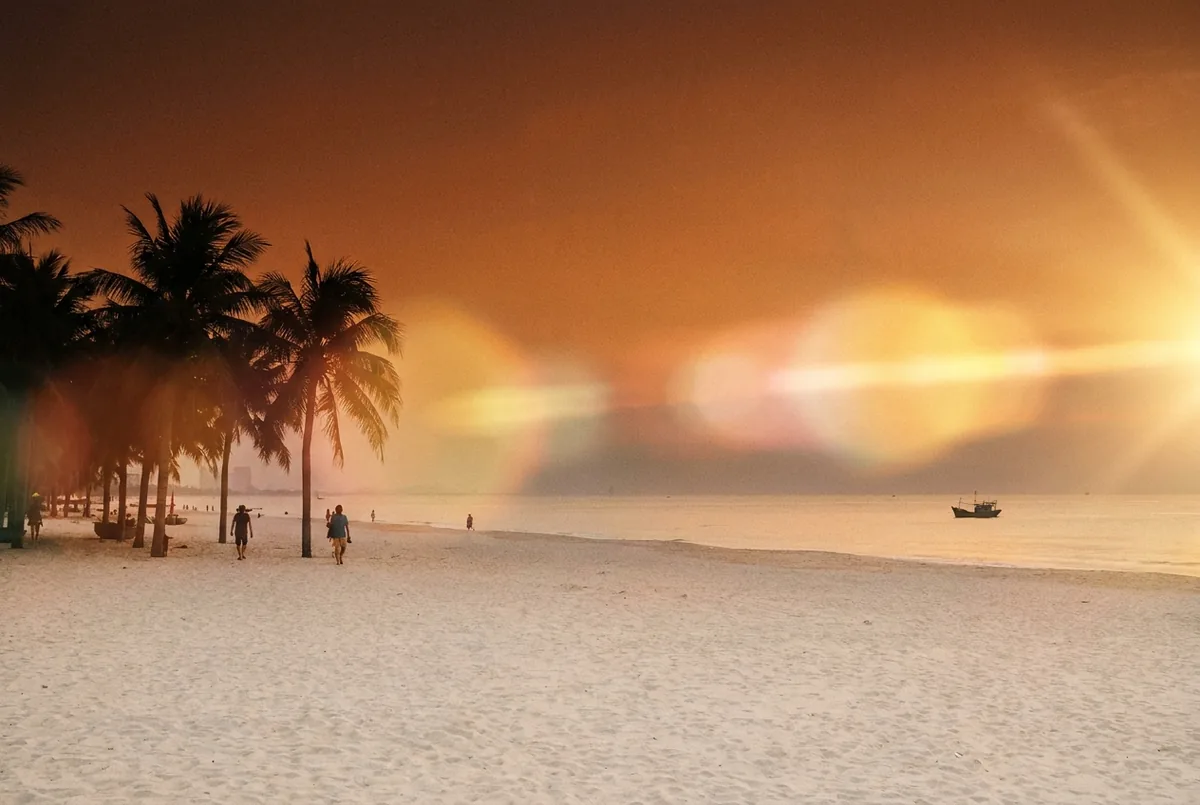
My Khe is the most famous beach in Da Nang and the most convenient for those who want to combine the sea, hotel and city rhythm. There is a long wide strip of light sand, convenient entrances, cafes and first-line hotels. The beach stretches along the coast, so even in high season you can find a section where there are fewer people than at the main entrances. The water is usually suitable for swimming in the morning and during the dry months, and the waves are often more noticeable than on more sheltered beaches. For filming, My Khe is good because it provides a clean, open sea background without complex terrain. At dawn there is soft light and a minimum of people, and in the evening there is active beach life. If you're looking for action, a long shot with the coastline, and a resort town feel, this is one of the best options. For a wedding, My Khe is suitable if you want a modern, open style without overloading the decor.
An important advantage of My Khe is its proximity to the center of Da Nang and to iconic landmarks of the city. After the beach, you can drive to the Dragon Bridge in 10–15 minutes, and on another day you can combine filming with the Marble Mountains or the Son Tra Peninsula. This is especially convenient for couples who want to combine different locations in one trip without wasting time on long journeys.
- —Suitable for: swimming, walking, surf atmosphere, travel photography.
- —Pros: long coastline, easy access, many hotels and cafes.
- —Cons: Popular areas can get crowded, especially on weekends and in the evening.
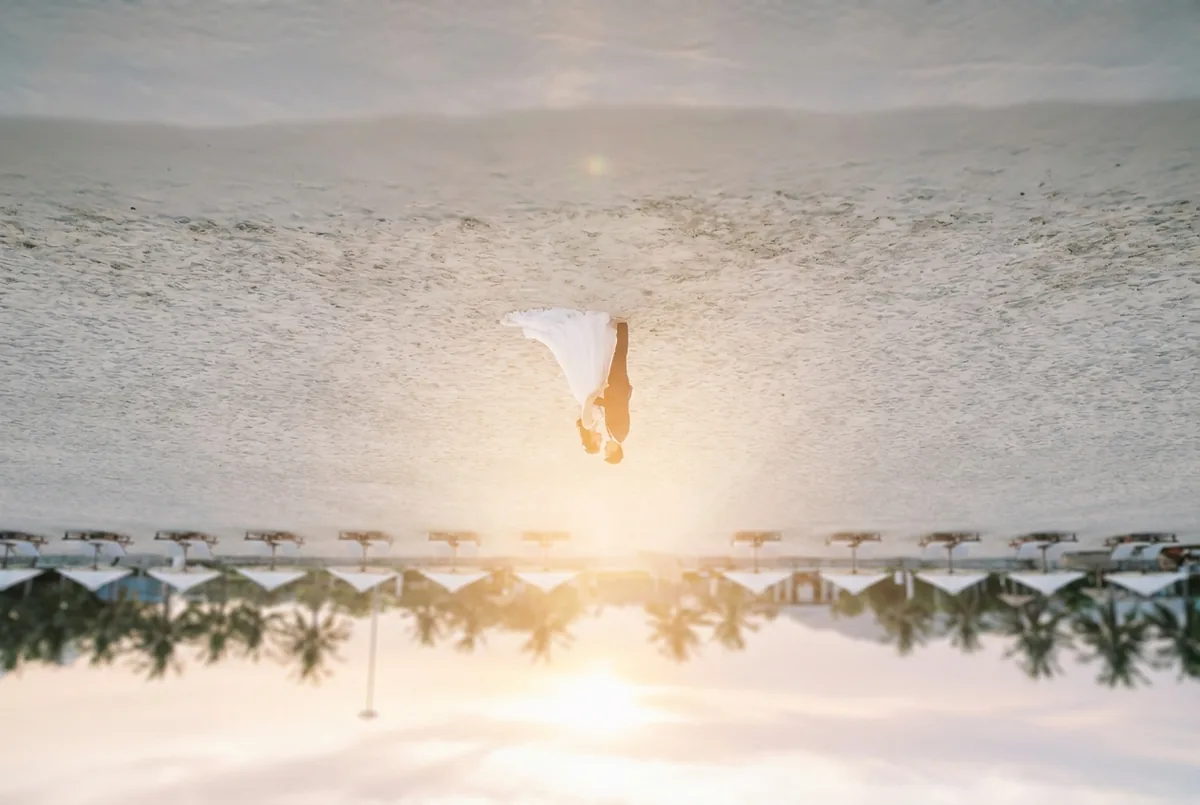
Non Nuoc: quieter than My Khe and closer to the Marble Mountains
Non Nuoc is one of the most convenient beaches if you want a quieter atmosphere without the urban density of My Khe. It lies further south, at the foot of the Marble Mountains, and is often seen as a beach for those who value space, clean sand and a more sedate pace. There is less fuss here, and the coastline is good for long walks, morning swims and minimalist photography. Another plus of Non Nuoc is its proximity to the Marble Mountains and the area’s craft workshops. This is convenient if you are planning a half-day itinerary: first the beach, then the mountains, then dinner in Da Nang. For wedding and couples photography, the location is strong precisely due to the combination of the sea and the texture of the stone. It doesn’t feel like a “city beach near a hotel”, but a place with a quieter scene and less flow of random people.
- —Suitable for: relaxing swimming, filming, walking without a dense crowd.
- —Pros: quieter than My Khe, close to the Marble Mountains.
- —Cons: for active infrastructure and evening walks, it is more convenient to return to the center.
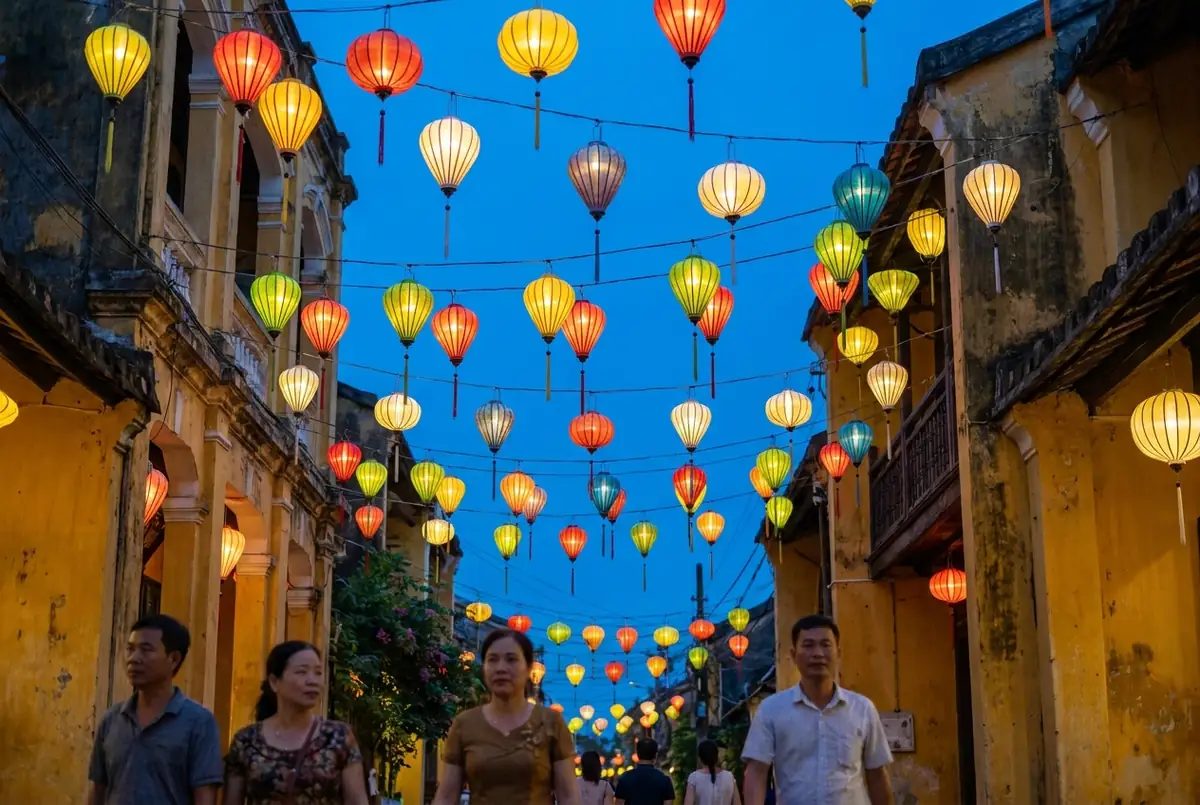
An Bang: the best beach near Old Hoi An
An Bang is the most practical beach if you are staying in Hoi An or planning a shoot in the old town and want to add the sea without the long drive. Hoi An is about 30 km from Da Nang, and that is why An Bang is often chosen as the “beach part” of the route between the rice fields, the old town and the river photography in Thu Bon. There is a softer, more relaxed atmosphere than in central Da Nang, and a good opportunity to combine the sea with a cultural program. An-Bang is interesting for photography because there are many small cafes, beach bars and details nearby that help make the frame come alive. The beach is not as showcase and wide as My Khe, but that is why it works well for lifestyle shoots. If you're planning a wedding in Hoi An, An Bang is often a logical place for a beach session in the morning or towards sunset, when the light is softer and there are fewer people.
- —Suitable for: Hoi An visitors, lifestyle shoot, relaxing beach day.
- —Pros: close to old Hoi An, convenient for combined routes.
- —Disadvantages: during popular hours there may be noticeable congestion at the cafe and entrances.
Lang Co: a long arc of sand between the sea and the lagoon
Lang Co is one of the most beautiful locations north of Da Nang, especially if you care not only about the beach, but also about the scale of the landscape. This is a wide strip of sand between the sea and the lagoon, where the landscape looks completely different than in the city center. People usually come here not for the convenience of “leaving the hotel and straight into the water,” but for the visual effect: space, a long horizon, soft shades of water and an almost postcard composition. Lang Co is located on the road to Hai Van Pass and fits conveniently into the route between Da Nang and Hue. If you want to do a location shoot with a travel feel, this is a strong location. It is suitable for a wedding when you need a natural backdrop without dense urban development. But it’s important to remember: it’s better to come here in an organized manner, because the beach is no longer one of the “fast city” options.
- —Suitable for: shooting with large spaces, outdoor weddings, road trips.
- —Pros: landscape of rare scale, combination of sea and lagoon.
- —Cons: further from the center of Da Nang, requires more travel time.
Beaches of the Son Tra Peninsula: nature, bays and wilder character
The Son Tra Peninsula is not just one beach, but a collection of points where the sea looks less urban and more natural. People often look here not for a classic beach day, but for a more “live” location for a walk, filming, or a short trip from Da Nang. The shore on Son Tra may be more uneven, the entrance to the water may not be as convenient as on My Khe, but there is less of a resort feel and more contact with nature. Son Tra is good for those who want to diversify their beach route with views of mountains, greenery and quieter areas of the coast. It’s convenient to go here if you’ve already been to city beaches and are looking for a second, more atmospheric point. For a photo shoot, the peninsula is especially interesting in the morning, when the light is soft and the tourist flow has not yet had time to gain momentum.
- —Suitable for: walking, nature photography, trips outside the city.
- —Pros: quieter and greener location, varied coastline.
- —Disadvantages: entry into the water is not convenient everywhere, less service infrastructure.
Beaches near Hai Van and on the way to Hue: when you want roads and views
The beaches in the area of the Hai Van Pass and on the road to Hue are chosen not for the sake of urban comfort, but for the sake of the route. Here the path itself becomes part of the experience: mountains, coastline, panoramic stops and the feeling of changing regions. If you have an extra day, a trip to Hai Van and further towards Hue allows you to see Central Vietnam not only through the sea, but also through the terrain, where the beaches look more secluded. For weddings and photography, this area is interesting because it provides a rare background without a recognizable “hotel” picture. But it is important to take logistics and weather into account: it is better to plan such a trip during the dry season, especially from March to May, when there is less risk of a cloudy day or sharp wind. For an ordinary beach holiday, these locations are often inferior to My Khe and Non Nuoc in terms of convenience, but win in terms of the feel of the route and scale.
- —Suitable for: road trip photography, panoramic trips, non-standard routes.
- —Pros: strong views, combination of mountains and sea, less urban density.
- —Cons: more difficult in terms of time and transport logistics.
Selection table: which beach is best for your task
Below is a short comparison if you need to quickly choose a location without a lot of analysis. For a real trip, we still look at the weather, waves, season and the exact time of sunset. This is especially important in Da Nang: the same beach can be quiet and smooth in the morning, but more crowded and windy in the afternoon.
When to go to Da Nang beaches and how to fit them into your itinerary
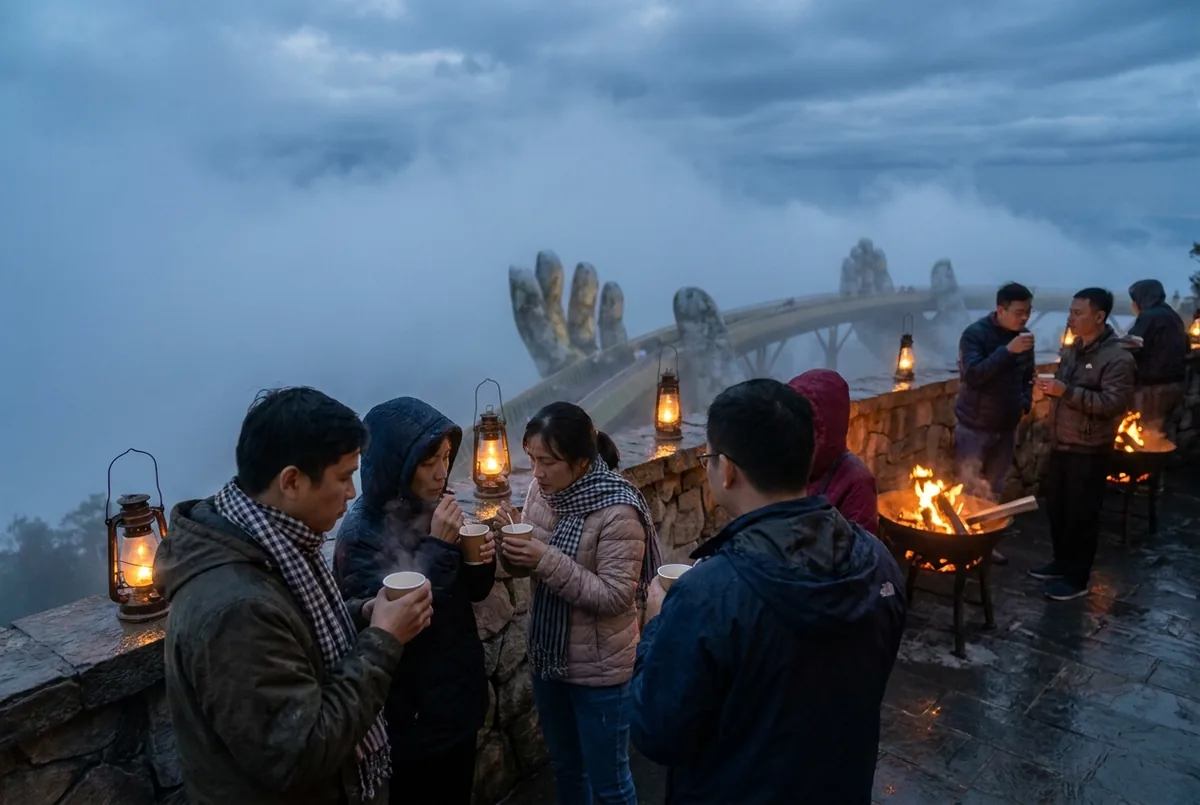
For a beach holiday in Da Nang, the best months are from February to August, and the most comfortable months are March, April and May. At this time there is less rainfall, the water is usually calmer, and it is easier to plan filming without constantly looking at the weather. During the rainy season and waves, the picture changes, and the beaches may look spectacular, but are no longer so convenient for swimming and ceremonies by the water. If you are building a route for 2–4 days, it is logical to combine beaches with other points in Central Vietnam. For example, in the morning - My Khe, in the afternoon - Marble Mountains, in the evening - Dragon Bridge and a fire show on weekends. Or An Bang Beach and Old Hoi An one day, and Ba Na Hills and the Golden Bridge the next. This format allows you not just to “go to the sea”, but to put together a full-fledged trip without overload.
- —For swimming and relaxation: March–May.
- —For photo sessions: morning or an hour before sunset, which in the region occurs around 17:45.
- —For routes with Hoi An: allow about 40 minutes from Da Nang.
- —For an extended trip: combine the beach with the Marble Mountains, Shon Cha or Hai Van.
| Beach | Who is it suitable for? | What's nearby |
|---|---|---|
| My Khe | Swimming, walking, surf atmosphere, city photography | Downtown Da Nang, Dragon Bridge, first line hotels |
| Non Nuoc | Quiet holidays, couples, photo shoots | Marble Mountains, southern part of Da Nang |
| An Bang | Guests of Hoi An, lifestyle photography, beach day | Old Hoi An, Thu Bon River |
| Lang Co | Outdoor ceremonies, large panoramas | Hai Van Pass, way to Hue |
| Beaches of Son Tra | Nature walks, quieter holidays | Son Tra Peninsula, viewpoints |
| Haiwan zone | Road-trip, non-standard filming | Panoramic road between Da Nang and Hue |