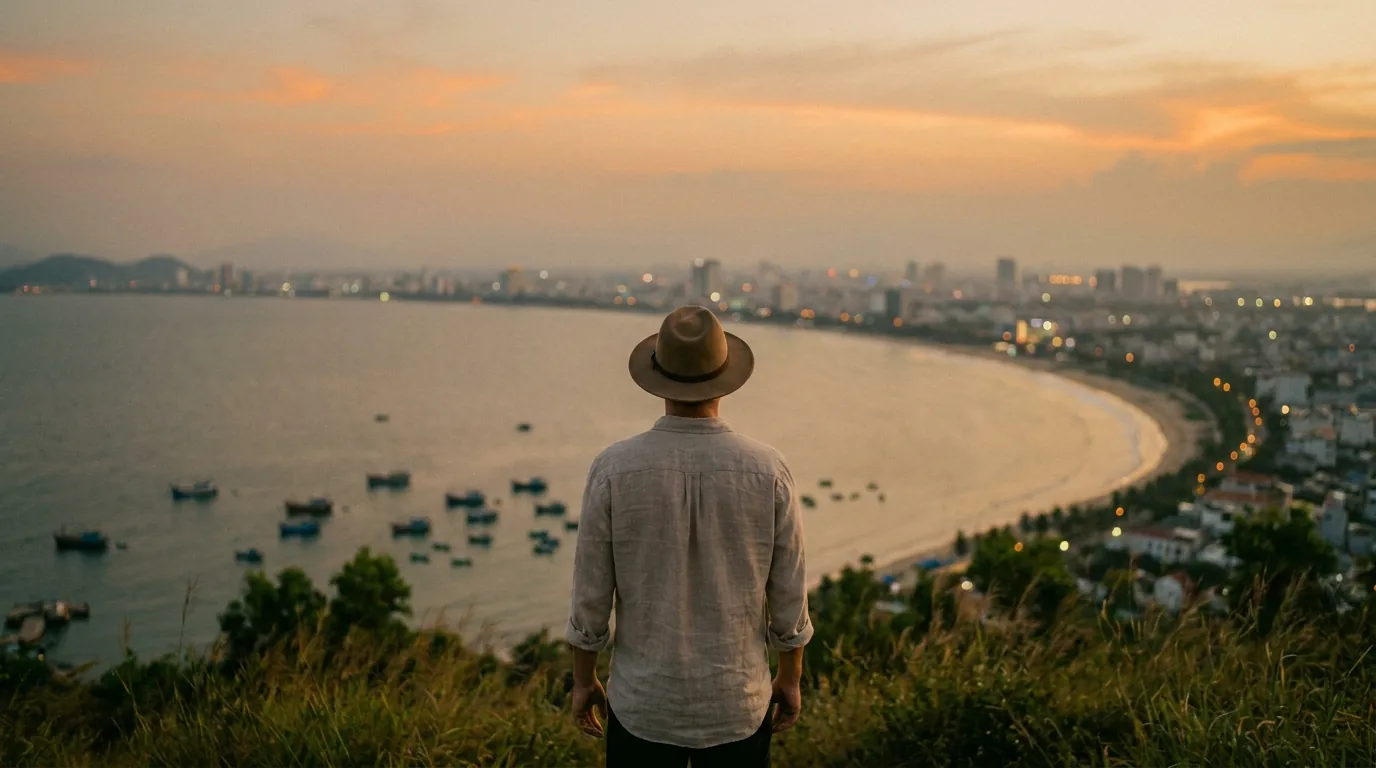
What is the average cost of a wedding in Vietnam in 2026?
In short, the budget for a wedding in Vietnam most often falls within the range of $3,500 to $25,000+. The lower end is an intimate story for 10-20 people without elaborate decor, with rental of a beach area, basic ceremony, photographer and dinner. Upper is already a full-fledged event with an individual concept, floral design, technical lighting, show program, stylist, coordinator and banquet in a good location.
The result is influenced not only by “how many guests”, but also “at what point in Vietnam”. Da Nang and Hoi An are often more convenient and profitable for foreign couples than more popular island destinations: there is less dependence on transfers, more site options and it is easier to assemble a team of contractors in one region. During the dry season from February to August, especially in March–May, the choice of locations is wider and the weather is more stable - this also affects the price and risks.
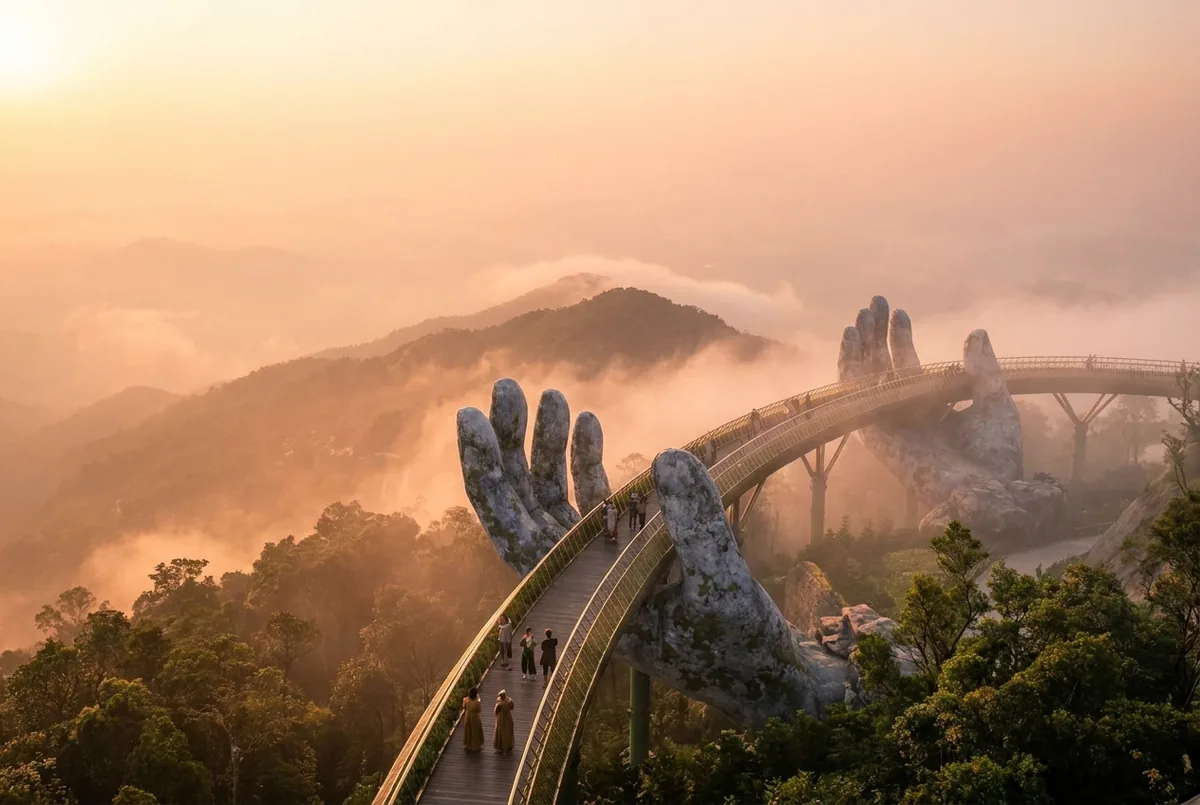
It is important to understand: “wedding in Vietnam” itself can mean very different formats. For some it’s a symbolic ceremony at sunset on My Khe beach, for others it’s an outdoor party in a villa, for others it’s a full wedding week with a welcome dinner in Hoi An, a walk along the Thu Bon River and a photo shoot at the Golden Bridge on Ba Na Hills.
- —Chamber wedding 10–20 guests: from $3,500 to $7,000.
- —Medium format 20–50 guests: from $8,000 to $15,000.
- —Premium wedding 50+ guests: from $18,000 to $25,000+.
What does the budget consist of: main expense items
The most common mistake is to only count the venue and banquet. In practice, a wedding budget in Vietnam consists of 8–12 items, and each of them can significantly shift the outcome. For example, a beach venue in Da Nang may cost moderately, but when you add in elaborate decor, evening lighting, a generator, transportation, translator and coordination, the cost adds up faster than expected.
For convenience, we recommend looking not at the “general beautiful figure”, but at the budget structure. Then you understand in advance where you can choose a simpler option without losing the visual effect, and where savings will result in additional costs. This is especially important in Central Vietnam, where rainy season weather, logistics between Da Nang, Hoi An and Hue, and the availability of suppliers can all change the cost of a project.
- —Venue and territory rental.
- —Ceremony: arch, decoration, sound, leader or master of ceremonies.
- —Banquet or dinner: catering, drinks, cake.
- —Decor and floristry: from basic composition to full stylization.
- —Photo and video: filming the ceremony, love story, editing.
- —Team: coordinator, stylist, makeup artist, technical staff.
- —Transfers and logistics for guests.
- —Additional costs: permits, weather reserve, overtime.
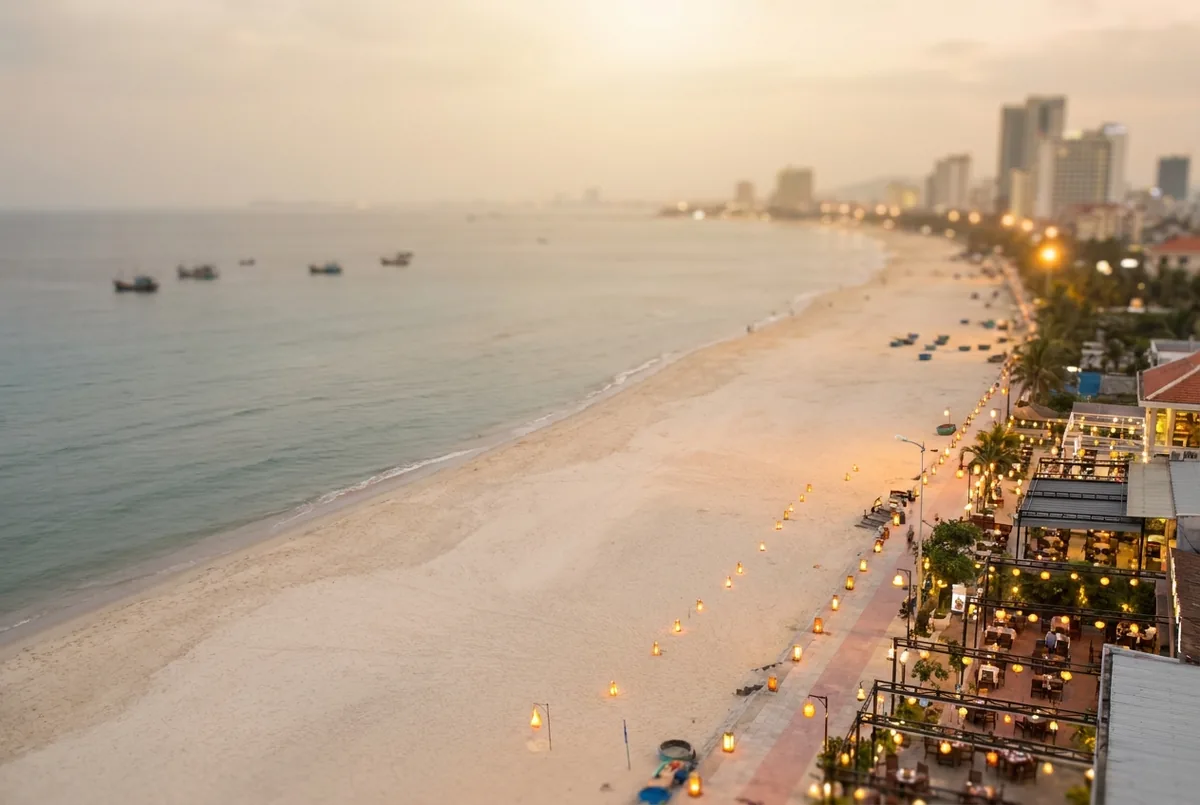
Budget table by item: guidelines for Da Nang and Hoi An
Below is a working fork on the main items. This is not a “price for everything”, but a guideline that helps to compile an estimate without surprises. Ranges depend on the date, day of the week, number of guests and level of decoration. During the high season - March, April and May - individual items can be 10-20% more expensive.
Three scenarios: economy, medium and premium
The economy scenario is not “cheap and bad”, but a compact format with the correct budget allocation. Typically this includes a ceremony on the beach or in a small villa, minimalist decor, 1 photographer, a basic videographer, a simple dinner and a limited number of guests. This option is well suited for a couple who wants beautiful shots against the backdrop of the sea, but is not planning a large-scale banquet.
The middle scenario is the most popular. There is already a full-fledged concept, decor with florists, coordinator, shooting, welcome zone, dinner or banquet, often a separate photo shoot in Hoi An or against the backdrop of the Marble Mountains. This is a format in which you can make your wedding visually strong, but without going into excessive spending.
A premium script is a bet on directing an event. Usually it includes several locations, complex floristry, technical lighting, live music, an expanded team, individual gifts for guests, a thoughtful program and additional activities for 2-3 days. If you add sunset photography near the Son Tra Peninsula, dinner in Hoi An and a separate pre-wedding day, the budget grows noticeably.
- —Economy: from $3,500 to $7,000.
- —Average: $8,000 to $15,000.
- —Premium: $18,000 to $25,000+.
Comparison with Bali: where is a wedding more profitable?
To be honest, a wedding in Vietnam is often 30–40% cheaper than a similar project in Bali. This is especially noticeable in the “venue + catering + logistics + decor” combination. In Da Nang and Hoi An it is easier to assemble a strong wedding team, and local prices for some services are usually softer than in the most popular destinations in Indonesia.
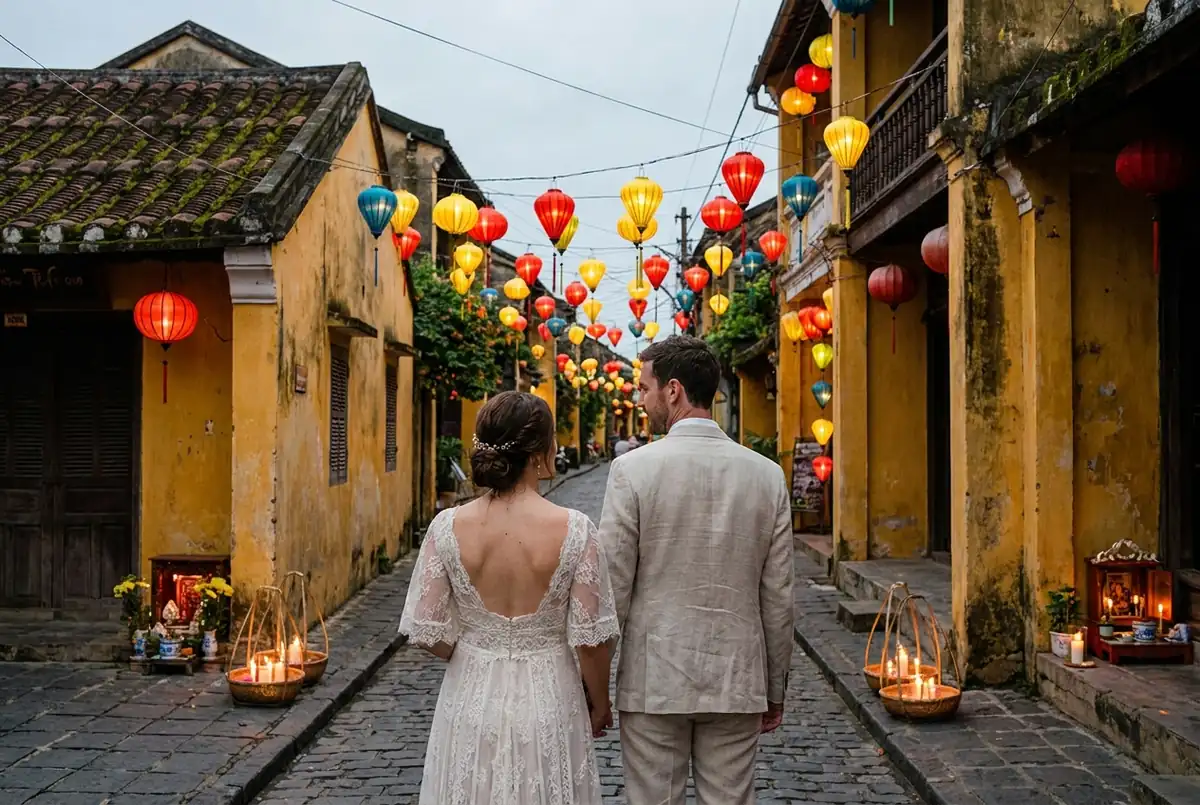
At the same time, Vietnam does not look like a compromise in the picture. There are the long beaches of My Khe and Non Nuoc, old Hoi An with lanterns and the Thu Bon River, the Golden Bridge at Ba Na Hills, mountain and sea views in one trip, and the Dragon Bridge in Da Nang on weekends will complement the program with a fire show. For guests, it is also a convenient geography: from Da Nang to Hoi An is about 30 km, and Hue can be reached in a day through the Hai Van Pass.
An additional plus is a visa-free regime for citizens of the Russian Federation for up to 45 days. This reduces the organizational burden for the couple and guests: there is no need to budget for unnecessary decoration costs in advance, and it is easier to gather a group for several days, and not just for one evening.
Hidden costs that are often forgotten
It is hidden costs that most often throw estimates off track. On the surface, the budget looks neat, but then there is an evening transfer, an additional payment for an hour of work for the photographer, rental of a generator, delivery of decor to the beach, a backup plan in case of wind and rain, a transfer fee, and sometimes a fee for extending time on site.
In Da Nang and Hoi An, it is especially important to consider seasonality. From February to August the weather is generally drier, but each month has variations in wind, humidity and sunset. Sunset here is around 17:45, so the timing of the ceremony and filming must be planned in advance, otherwise some of the beautiful light will simply disappear.
Expenses related to guests can also be included as a separate line: welcome evening, group transfer, water and light snacks for the shooting day, small souvenirs, accommodation for parents or close friends. If your guests are flying to Vietnam for the first time, it is useful to budget both time for adaptation and a convenient route without unnecessary transfers.
- —Additional payment for reworking the team after the agreed time.
- —Transfers between Da Nang, Hoi An, beach and site.
- —Rent additional light, generator or tent.
- —Backup plan in case of wind, rain or high humidity.
- —Taxes, service fees and contractor fees.
How to cut your budget without losing quality
You can save not on key things, but on secondary ones. The most rational way is to choose a beautiful, but not overloaded location, reduce the number of contractors, make one strong accent in the decor and approve the timing in advance. In Central Vietnam this works especially well: the natural views and light themselves create a very strong picture.
A good idea is to schedule part of the shooting on a separate day. For example, the main ceremony can be held on the beach in Da Nang, and the love story can be filmed in the morning in Hoi An or near the Marble Mountains. This way you don’t overload the wedding day and don’t pay for the team’s extra hours of work in emergency mode.
Another way to stay on budget is to choose a date outside of peak wedding weeks and look at weekdays. This can significantly reduce the cost of the site and the team. And if guests plan to stay, you can combine the wedding with a mini-trip: Hoi An, Ba Na Hills, Son Tra Peninsula, and, if desired, a trip to Hue along the Hai Van Pass.
- —Prioritize the site, photos and decor rather than the redundant program.
- —Choose a weekday or a date outside of peak weeks.
- —Shoot a love story separately from the wedding day.
- —Use seasonal flowers and local materials.
- —Immediately agree on the timing so as not to pay for overtime.
When to plan a wedding in Vietnam and how to choose the season
The best months for weddings in Da Nang and Central Vietnam are March to May. At this time, the weather is usually more stable, there is less risk of prolonged precipitation, and the light at sunset is especially good for a beach ceremony and photography. The dry season lasts approximately from February to August, but it is spring that most often provides the most comfortable balance of temperature, humidity and sea.
If you want an outdoor wedding, it is important to consider not only the season, but also the specific location. My Khe and Non Nuoc beaches have good sunset ceremonies, in Hoi An you can build a program around the old town and the Thu Bon River, and Ba Na Hills and the Golden Bridge are best left for a separate photo session or a second day.
When planning in advance, it is easier to book strong contractors and not overpay for urgency. This is especially important for foreign couples: while you are choosing a format, the team has time to adjust the estimate to your budget, and not assemble a project from leftovers from the market.
- —The best months for a wedding: March, April, May.
- —Suitable dry season: February–August.
- —For a ceremony on the beach, a sunset service is best.
- —Hoi An, Marble Mountains and Ba Na Hills are convenient for a photo day.
| Article | Economy | Medium/Premium |
|---|---|---|
| Venue | $300–800 | $1 000–4 000+ |
| Ceremony and basic decor | $400–1 200 | $1 500–5 000+ |
| Floristry and decoration | $300–900 | $1 200–6 000+ |
| Photo and video | $500–1 500 | $1 800–5 000+ |
| Coordinator / Producer | $250–700 | $800–3 000+ |
| Banquet/dinner | $25–60 per guest | $60–150+ per guest |
| Transfers and logistics | $150–500 | $600–2 000+ |
| Hidden costs and reserve | $200–600 | $700–2 500+ |