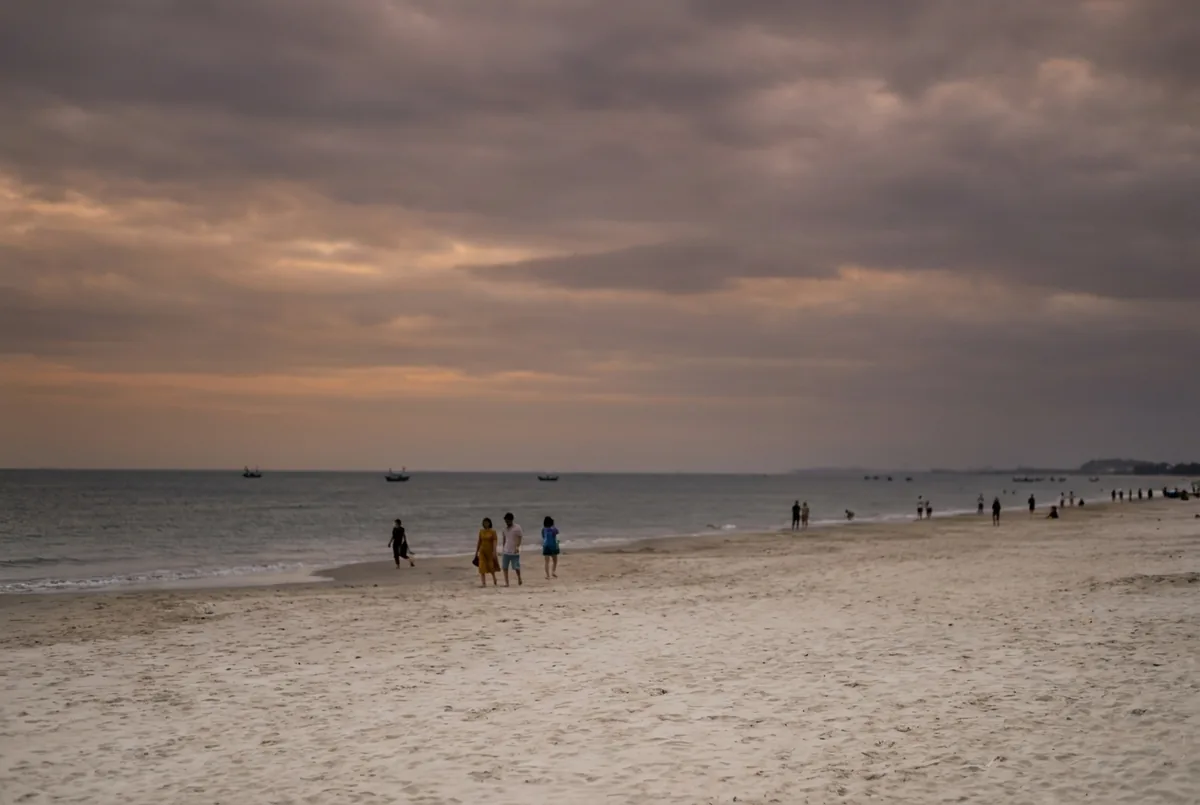
What is important to understand about Vietnamese etiquette
Vietnamese etiquette is based on two principles: not to make others uncomfortable and not to show emotions too harshly. On the street, in a cafe, in a taxi and in a temple, a calm manner of communication, neatness and respect for personal space are valued. What is considered “straightforward” in one country may be seen as rude in Vietnam.
For a tourist, this means simple things: do not raise your voice, do not argue in public, do not touch a person unnecessarily, do not point your finger at people and religious objects. In Da Nang, where there are many travelers, visitors are tolerated, but basic rules are observed everywhere - from the beaches of My Khe and Non Nuoc to pagodas and family restaurants.
- —Speak calmly and without harsh gestures.
- —Smile, but don't insist on physical contact.
- —Maintain queuing and personal distancing.
- —Do not discuss loudly controversial topics in front of strangers.
How to behave in temples, pagodas and sacred places
Temples and pagodas in Vietnam are active religious spaces, and not just beautiful locations for photos. Before entering, remove your shoes if the venue requires it, and keep your clothing modest, covering your shoulders and knees. The rules are the same for women and men, especially in small family temples and rural sanctuaries.
Particularly popular in Da Nang and the surrounding area are the pagodas at the Marble Mountains, the temples on the Son Tra Peninsula and the religious sites along the road to Hoi An. There are often many locals there who come not only for photos, but also for personal reasons. Therefore, you should not walk between worshipers or touch altars, candles, statues or offerings without permission.
- —Cover your shoulders and knees: a T-shirt and long shorts are not always acceptable.
- —Take off your shoes where other couples are standing at the entrance.
- —Do not photograph people during prayer without consent.
- —Don't turn your back on the altar if you can avoid it.
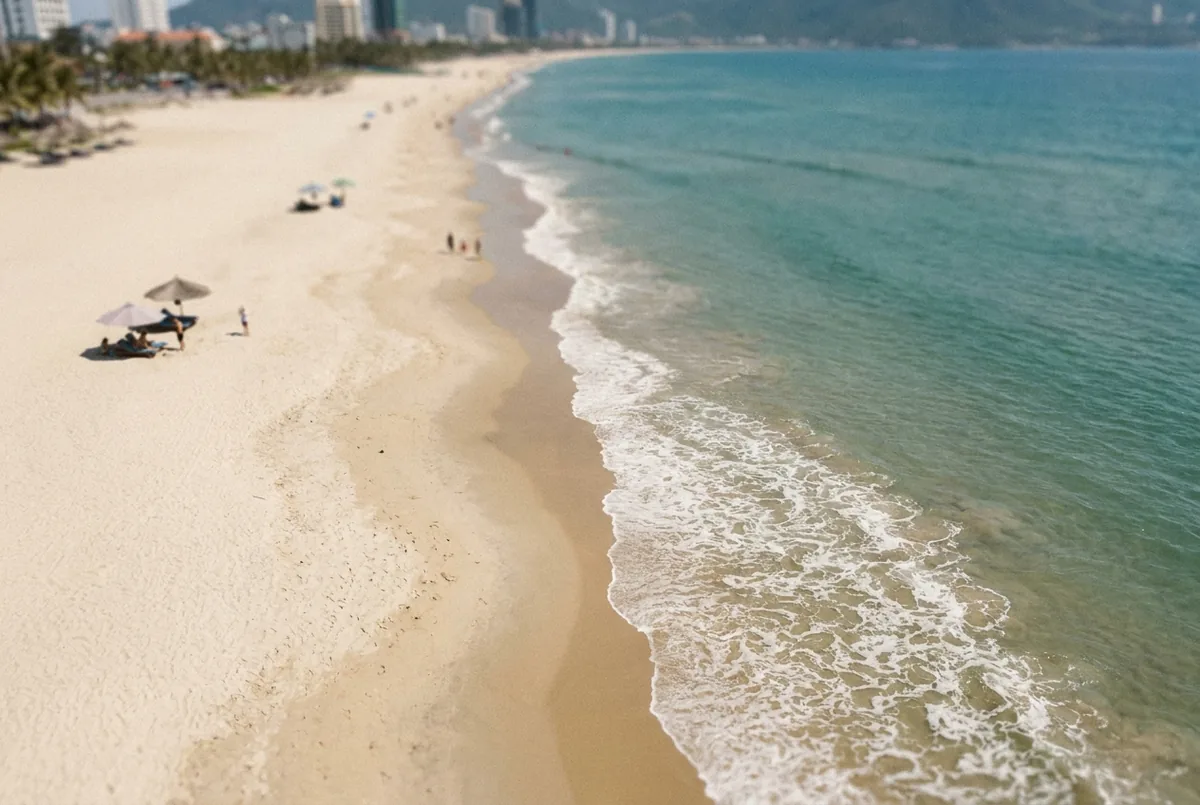
Tourist dress code: what to wear on the street, in a restaurant and on an excursion
In everyday life, Da Nang is more relaxed than many Asian cities: on My Khe or An Bang beach it is normal to see shorts, light dresses, T-shirts and sandals. But if the itinerary includes temples, family homes, traditional Hoi An neighborhoods or formal dinners, it is better to have more covering clothing in stock. This is not a formality, but a way to show respect for the place and people.
It is also worth remembering the climate. The dry season lasts approximately from February to August, and the best months for travel are March–May: the heat is already there, but the rains have not yet interfered with travel. Clothing should be light, breathable and not too revealing, especially if you are going to Hue, the Marble Mountains or the Ba Na Hills, where there may be several different locations in a day.
- —For the beach: loose clothing, but not in one swimsuit outside the beach area.
- —For churches: covered shoulders, knees, no transparent fabrics.
- —For dinner in a good restaurant: neat casual without sportswear.
- —For excursions: comfortable shoes that can be easily removed upon entry.
Gestures that may be misunderstood in Vietnam
The most common mistake tourists make is gestures that are neutral in their country, but are read differently in Vietnam. For example, you should not call a person with one index finger: for people it looks like an order. It's better to use your entire palm. Don't point your leg or foot at someone - legs are considered a "low" part of the body, and such a gesture is perceived as disrespectful.
Also be careful when touching children's heads: in Vietnamese tradition, the head is an important and private part of the body. If you want to express your sympathy to your child, it is better to limit yourself to a smile and an address to the parents. In a business or service situation, there is no need to pat you on the shoulder too actively, hug you, or gesticulate excessively - this does not make the communication friendlier, and sometimes only confuses the interlocutor.
- —Call the person with your palm, not just your finger.
- —Do not point your foot at objects or people.
- —Do not touch the child's head without parental permission.
- —Do not demonstrate irritation through active gestures.
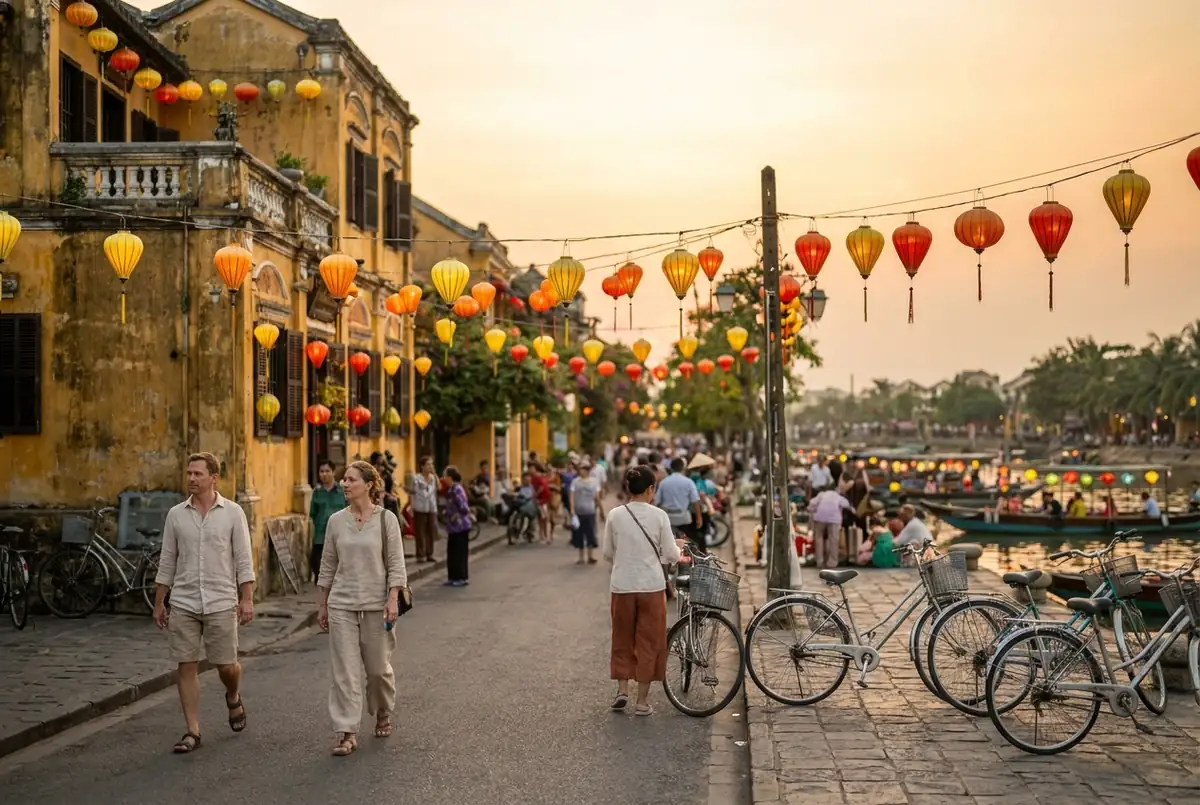
Tipping, payment and behavior in restaurants and taxis
In Vietnam, tips are not required, but in tourist places they are often expected as a nice bonus. In Da Nang this is especially noticeable in hotels, spas, private drivers and guides. In ordinary cafes and markets, tipping is not the norm, but for good service in a restaurant or after an excursion, a small amount is appropriate.
In taxis and transfers, it is better to agree on the price in advance or use apps with clear tariffs. In markets and in some shops, bargaining is appropriate, but without pressure and theatricality. The calmer you conduct the dialogue, the more often you receive an adequate price and a normal attitude. In the tourist areas of Central Vietnam, prices are still lower than in Bali, on average by 30–40%, so you shouldn’t turn every purchase into a fundamental dispute.
- —Leave a tip for good service, but don't consider it obligatory.
- —When using a taxi, check the fare before your trip or use the app.
- —In the markets, bargain gently and without irritation.
- —It is better to check the bill in a restaurant right away, without arranging public clarifications.
Tet: the main holiday of Vietnam and what is closed
Tet, or Vietnamese New Year, is the country's most important family holiday. Its date changes according to the lunar calendar, and at this time the priority for the Vietnamese is not tourism, but home, family, memory of ancestors and trips to relatives. For a traveler, this means changes in the city’s operating hours: some shops, cafes, offices, museums and even small travel agencies are closed or operate on reduced hours.
If your trip falls on Tet days, make sure you have enough logistics. In Da Nang and Hoi An, large hotels and popular restaurants are usually open, but local services may take a break. There is less traffic on the streets, and prices for some services are rising. At the same time, the period itself is interesting for observing traditions: family altars, decorations, the color red, gifts and visits to elders become part of the city atmosphere.
- —Plan ahead: It’s best to book tickets, transfers and excursions before the holidays.
- —Check the facility's operating hours several days before your visit.
- —Do not count on full accessibility of markets, salons and small cafes.
- —Respect family visits and local holidays.
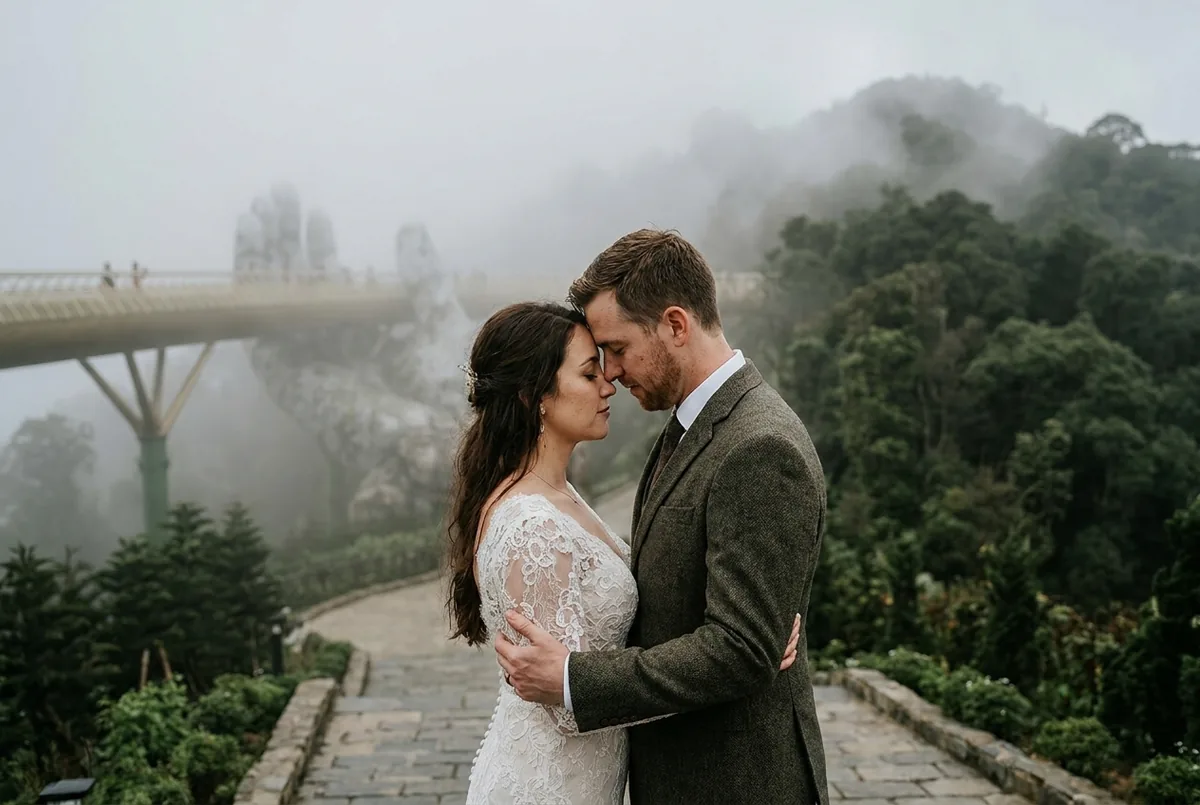
What is especially important to remember in Da Nang and Central Vietnam
Da Nang is convenient for travelers because here you can see both the modern urban rhythm and traditional Vietnam without long journeys. In 40 minutes you can find yourself in old Hoi An, where the respect for family memory is clearly visible in the narrow streets and house-museums, and along the way you can stop by the Thu Bon River. Even closer are the Marble Mountains and the pagodas at the foot, where local religious habits are especially noticeable.
If you go to Ba Na Hills, Hue or through the Hai Van Pass, you will see that traditions change from place to place, but the basic code of behavior remains the same. Covered clothing in sacred places, a calm voice, lack of intrusiveness and respect for elders work everywhere - from fishing villages to hotels on the first line of My Khe. For guests, this is not a strict set of prohibitions, but a simple way to communicate more easily and receive a warmer response.
- —In Hoi An, pay more attention to family houses and local entry rules.
- —In the temples of the Marble Mountains and Son Tra, observe the dress code especially carefully.
- —In rural areas and markets, do not rush people or raise your voice.
- —On excursions to Hue and Hai Van, check in advance where you need to take off your shoes and how to dress.
A short checklist before your trip
If you boil the rules down to a practical minimum, you only need to remember four things: covered clothing for sacred places, a calm tone, respect for personal space, and a willingness to change your schedule during Tet. This is already enough to avoid getting into awkward situations and feel confident almost anywhere in Central Vietnam.
This approach is especially convenient in Da Nang, where in one day you can catch the beach, the market, the temple, the Dragon Bridge with a fire show on weekends and dinner in the city. The more attentive you are to local rules, the easier it will be for you to communicate, bargain, ask for help and receive quality service without unnecessary stress.
- —Take light, closed clothing with you for temples.
- —Learn basic gestures and avoid the index finger.
- —Check Tet dates if you are planning a trip in winter or early in the year.
- —Leave some cash for tips and small purchases.